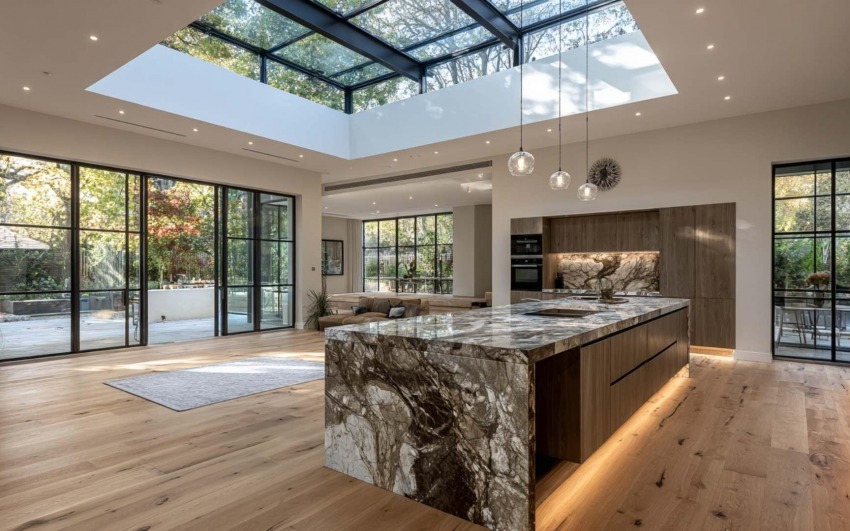
Micro-Meditative Spaces: Creating Small Meditation and Relaxation Corners in Urban Apartments

9/20/2024

Optimizing Small Spaces 


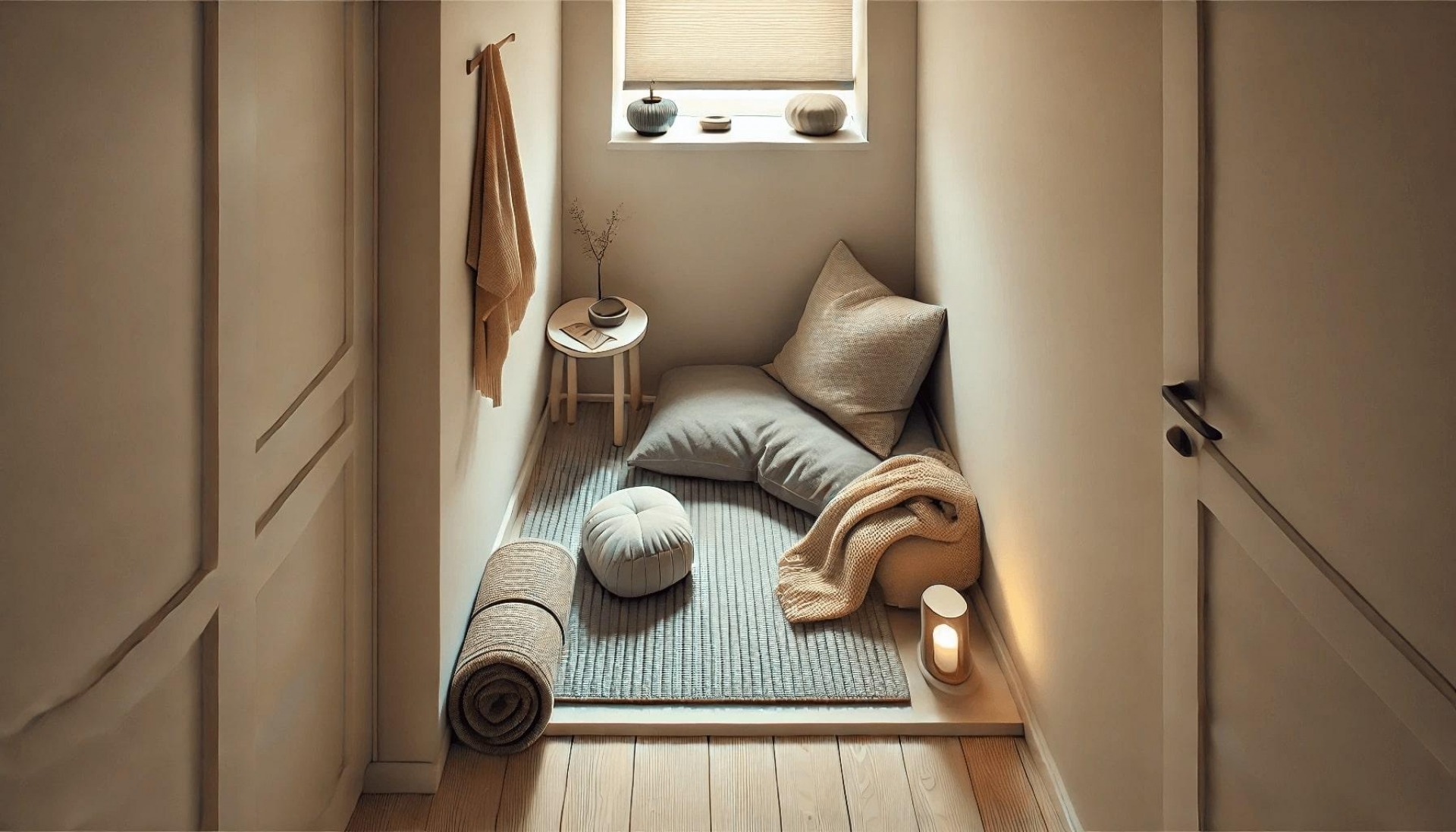
The primary idea of a micro-meditative space is to optimize every inch available. You don’t need much to create a calming spot: a meditation cushion, a small mat, and a folded blanket might be enough. The goal is to have a reserved space for reflection, away from daily chaos.


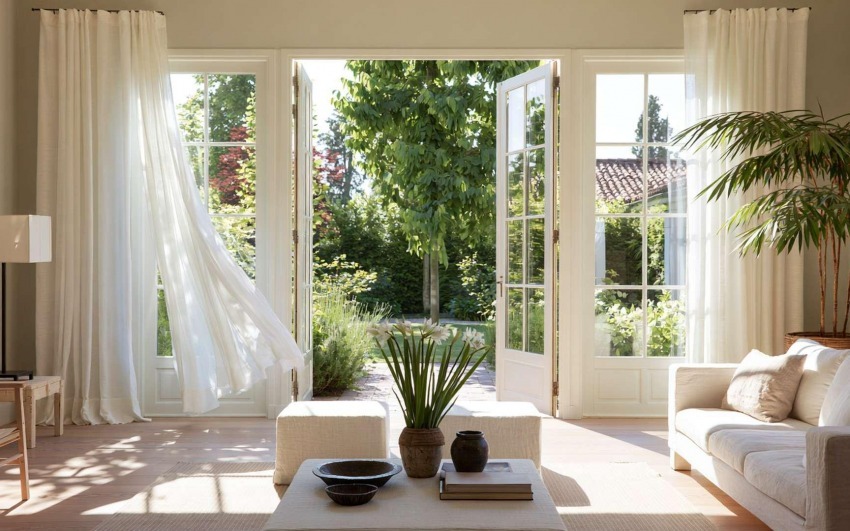
Minimalist Design: Keeping the decor simple and essential is key. The absence of visual distractions helps with focus and creates an environment that fosters inner quiet.

micro-meditative-spaces_IDW-Italia-Prague-Biella


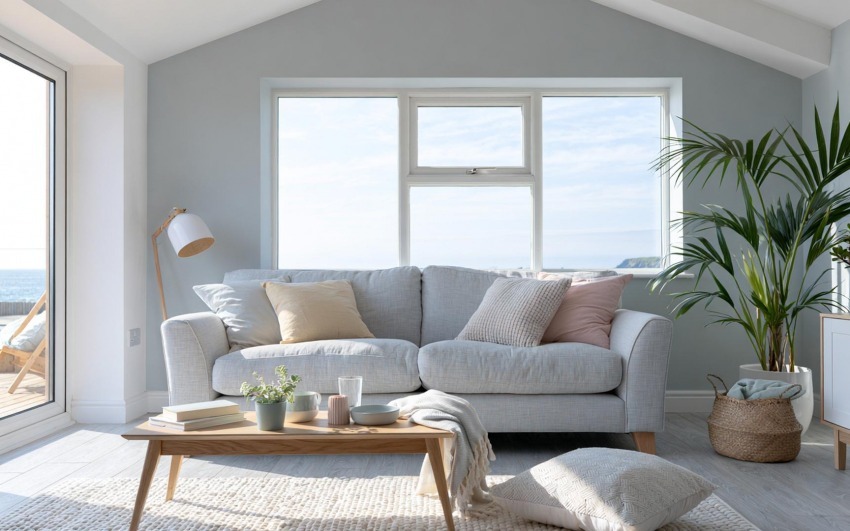
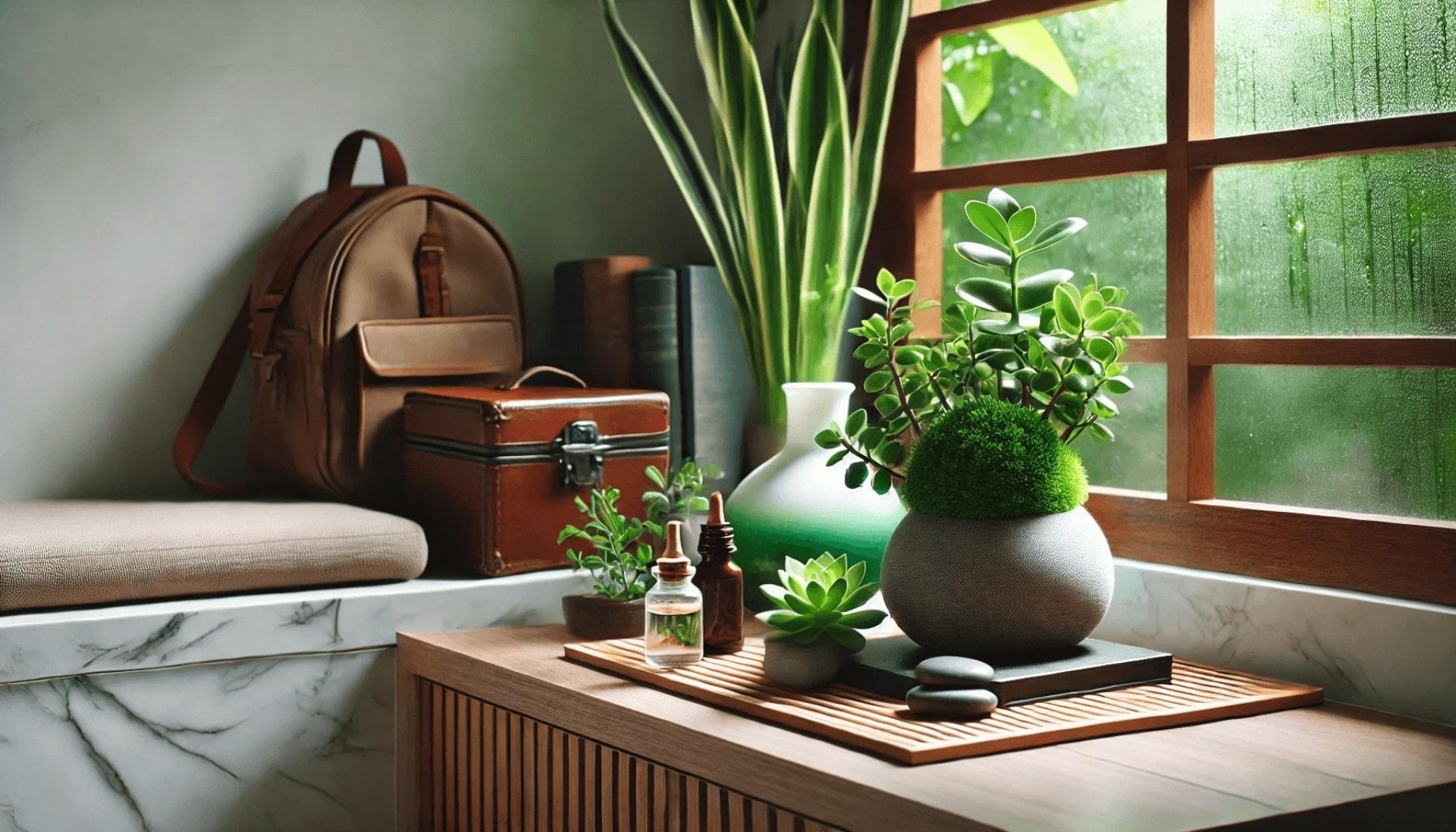
Use of Plants: Plants can improve the atmosphere by purifying the air and adding a natural touch. Even a small plant can create a connection with nature, which is essential for relaxation.

micro-meditative-spaces_IDW-Italia-Prague-Biella


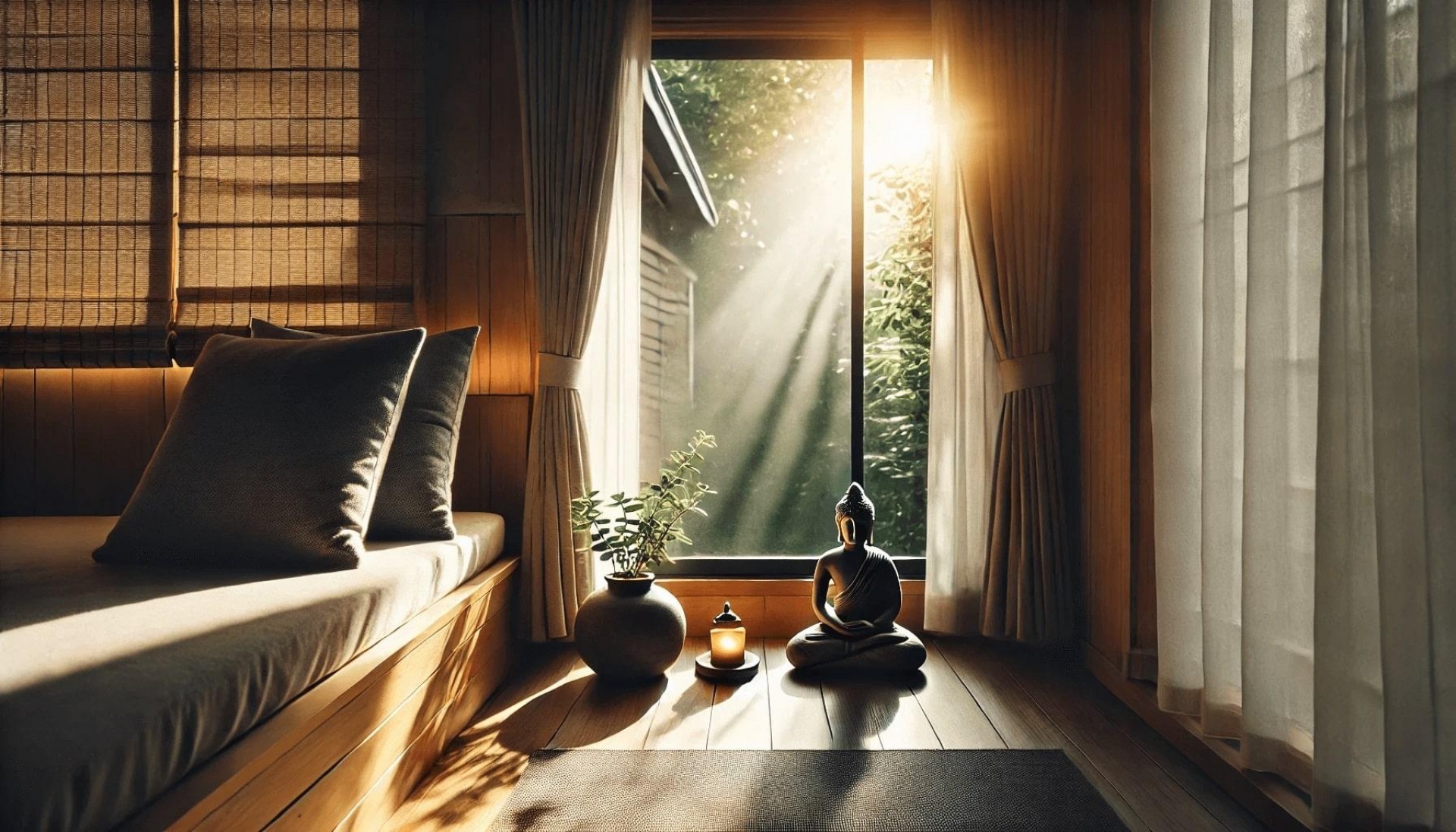
Natural Light: If possible, position the meditation corner near a window to benefit from natural light. Light has a profound impact on mood and can enhance relaxation.

micro-meditative-spaces_IDW-Italia-Prague-Biella


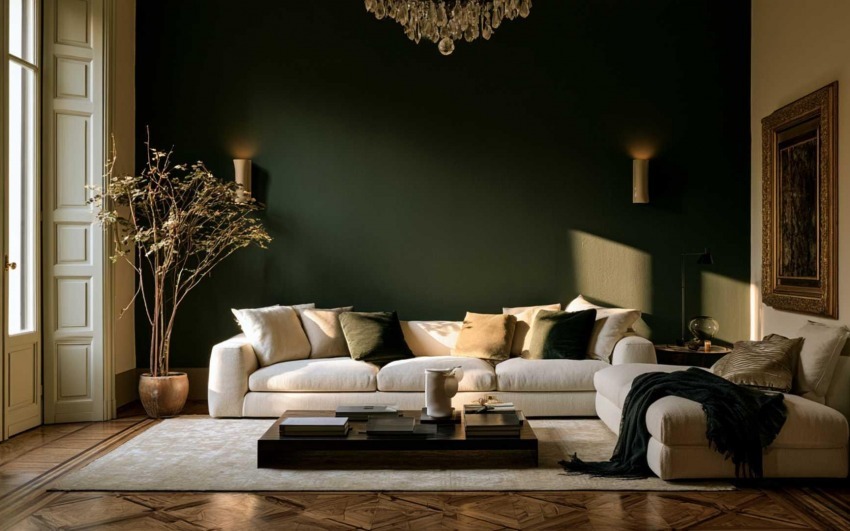
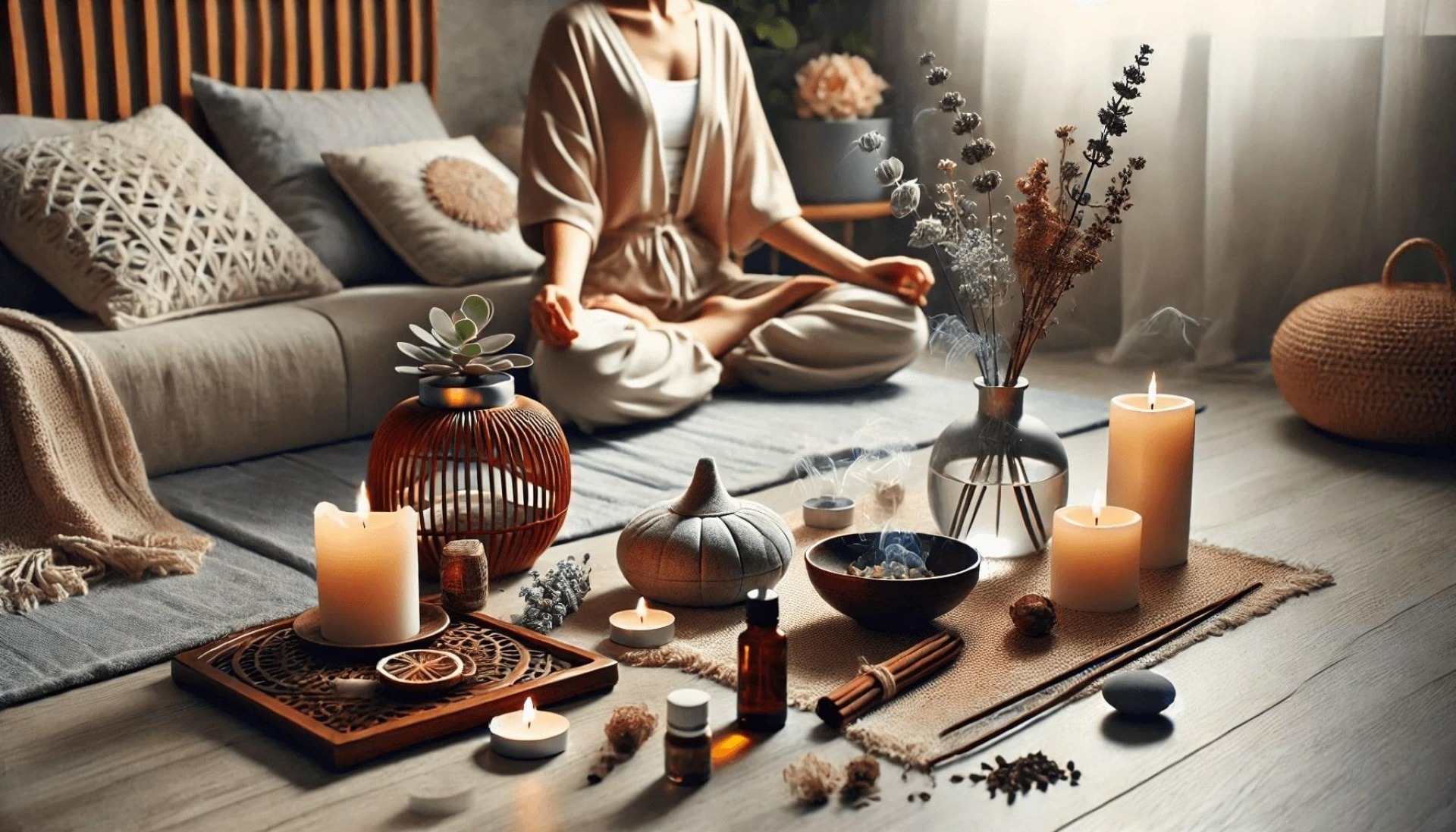
Sensory Elements: Incense, scented candles, or essential oil diffusers can help create a soothing atmosphere. Choose fragrances like lavender or sandalwood for a calming effect.

micro-meditative-spaces_IDW-Italia-Prague-Biella


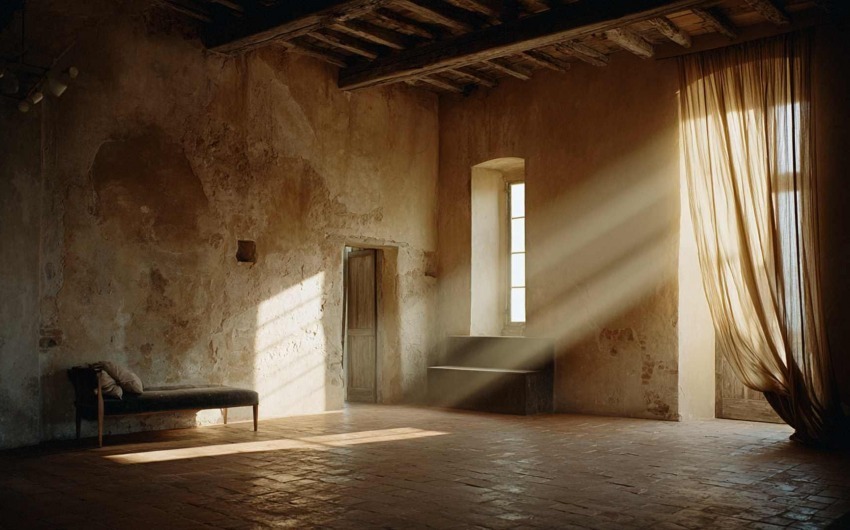
Hidden Spaces: In smaller apartments, a meditation corner can be created in unconventional spots, such as the corner of a room or an unused space near a bookshelf or under stairs. The important thing is that it remains personal and secluded.


micro-meditative-spaces_IDW-Italia-Prague-Biella


Micro-meditative spaces show that you don’t need large rooms to find moments of peace. With smart and minimalist design, any apartment, no matter how small, can become a tranquil refuge amidst urban hustle and bustle.


Cristiano Castaldi IDW Italia
Cristiano Castaldi

Interior Designer since 1985

CEO & Founder, Italian Design in the World
Related Articles

  • The Anti-Algorithm Home: Spaces That Aren’t Instagrammable (But Truly Livable)
    2/13/2026 The Anti-Algorithm Home: Spaces That Aren’t Instagrammable (But Truly Livable)

    For years, we designed homes as if they had to pass a constant visual exam: perfect light, perfect white, the right chair, the right vase. Interiors built to be photographed more than lived in.
Digital aesthetics — polished, minimal, hyper-ordered — entered interior design like an unspoken rule: if it isn’t “clean,” it isn’t beautiful; if it isn’t coherent, it isn’t successful; if it can’t be shown, it isn’t desirable.In 2026, this narrative is losing its power. Not because beauty matters less, but because beauty alone is no longer enough.
A new need is emerging: anti-algorithm interiors, spaces not designed for the shot, but for everyday life. Less performative homes, more real ones. Environments that don’t seek approval — they restore energy.This is not a return to chaos. It’s a return to meaning.

  • The End of the Open Space: The Return of Thresholds
    1/30/2026 The End of the Open Space: The Return of Thresholds

    For years, open-plan living symbolized contemporary domestic design: fluid, bright, without barriers.
A response to the desire for freedom, openness, and visual continuity.Today, that promise is being reconsidered.
In 2026, many projects mark a shift — not a rejection of open space, but its critical evolution. The return of thresholds.

  • Interiors That Age Well: Designing Spaces Beyond Trends
    1/23/2026 Interiors That Age Well: Designing Spaces Beyond Trends

    One of the most underestimated challenges in contemporary design is time.
Not the time required to design a space, but the time the space must endure: years of daily life, change, wear, and transformation.

  • Living as a Cultural Act: When the Home Becomes a Position
    1/09/2026 Living as a Cultural Act: When the Home Becomes a Position

    In recent years, the home has stopped being a simple functional container.
It has become an extension of how we think, how we experience time, and how we relate to the world. Living today is a cultural act — a conscious choice that reflects values, priorities, and pace of life. It’s no longer just about aesthetics. It’s about position.

  • The Aesthetics of Ritual: How Design Shapes Everyday Habits
    1/02/2026 The Aesthetics of Ritual: How Design Shapes Everyday Habits

    Homes have become more than places — they have become temporal landscapes.
Design is shifting from objects to gestures, from furniture to the choreography of daily life.

  • The Material of the Future: Ultra-Thin Surfaces and Advanced Finishes
    12/19/2025 The Material of the Future: Ultra-Thin Surfaces and Advanced Finishes

    Material innovation is reshaping interiors more deeply than any aesthetic trend.
The new frontier is not in bold colors or complex textures — it lies in technical surfaces that are thin yet strong, discreet yet expressive, silent yet high-performing.