Furnish with succulents

8/12/2022

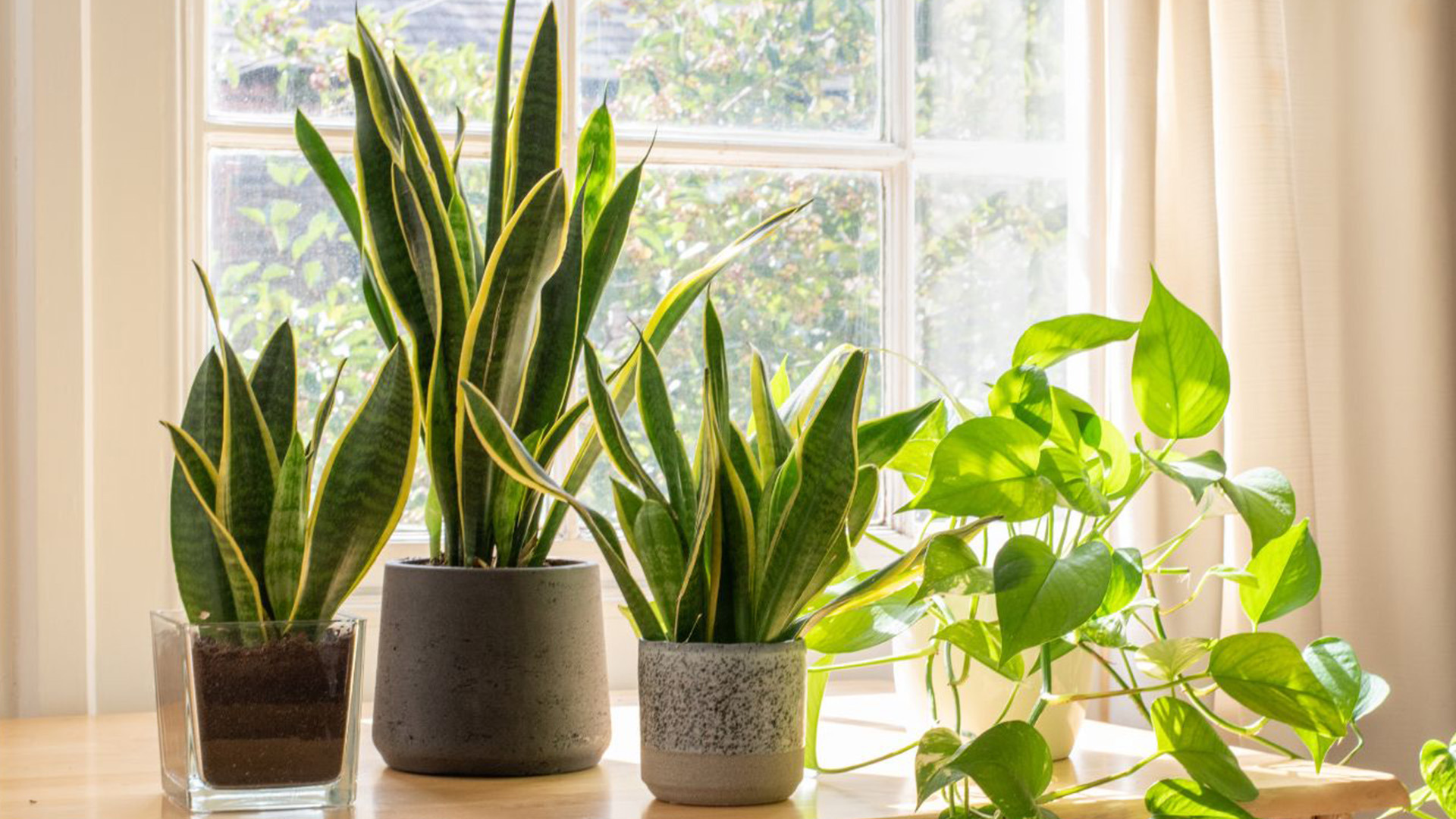
Succulents are a wonderful alternative for those who, despite being plant lovers, do not have any at home for fear of not being able to take care of them, as, unlike other types of plants, they do not require special treatments and are very more resistant and lasting. In addition, there are an infinite variety of them and they are very beautiful to look at as they are characterized by natural whimsical shapes that are very different from each other, which give a touch of stylish design to the rooms of your home. You can create beautiful compositions to be used as a centerpiece or simply to be placed on the shelves, in the various rooms of your home.
furnish-with-suculents_IDW_Italia-Prague-Biella

furnish-with-suculents_IDW_Italia-Prague-Biella


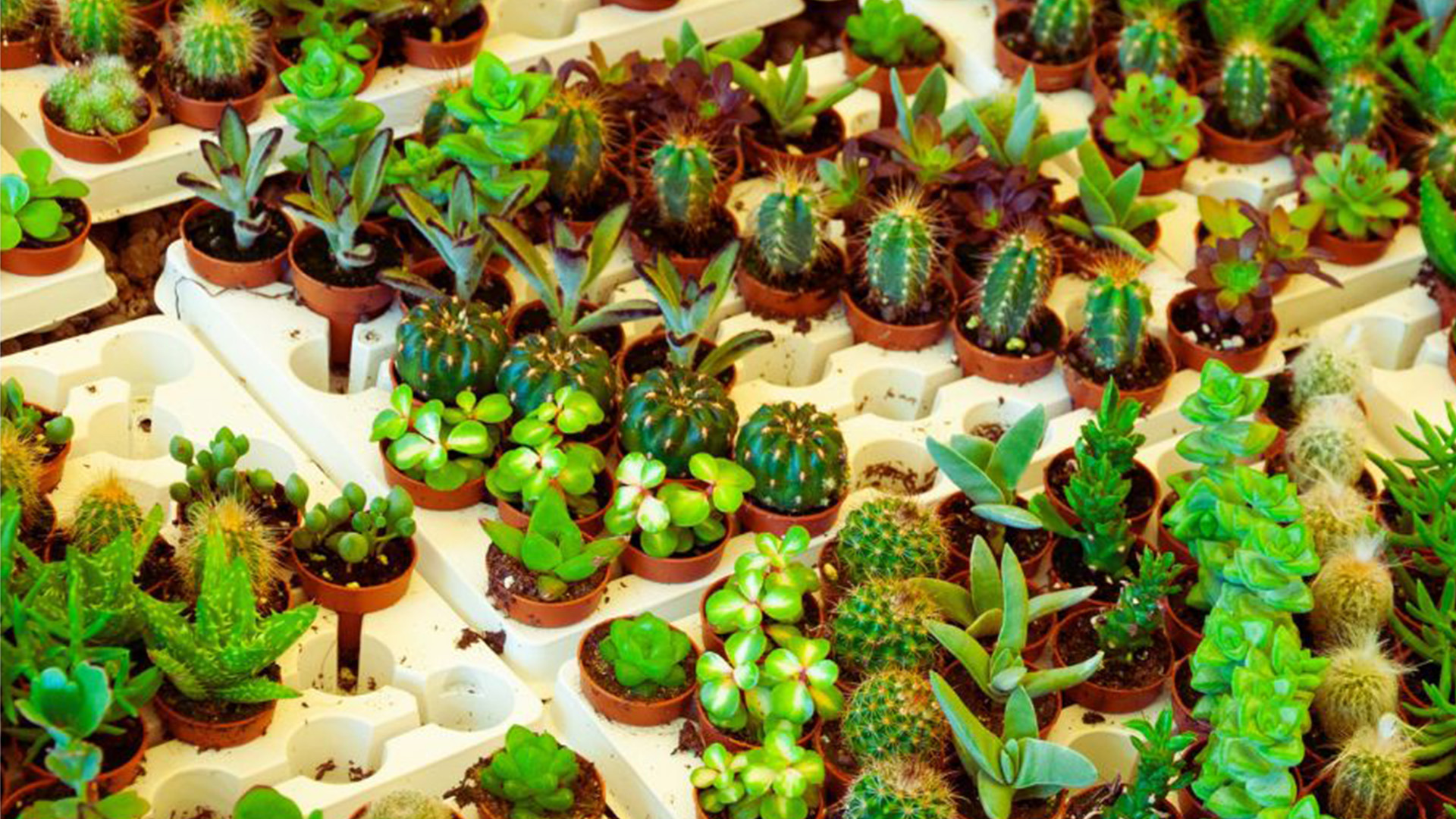
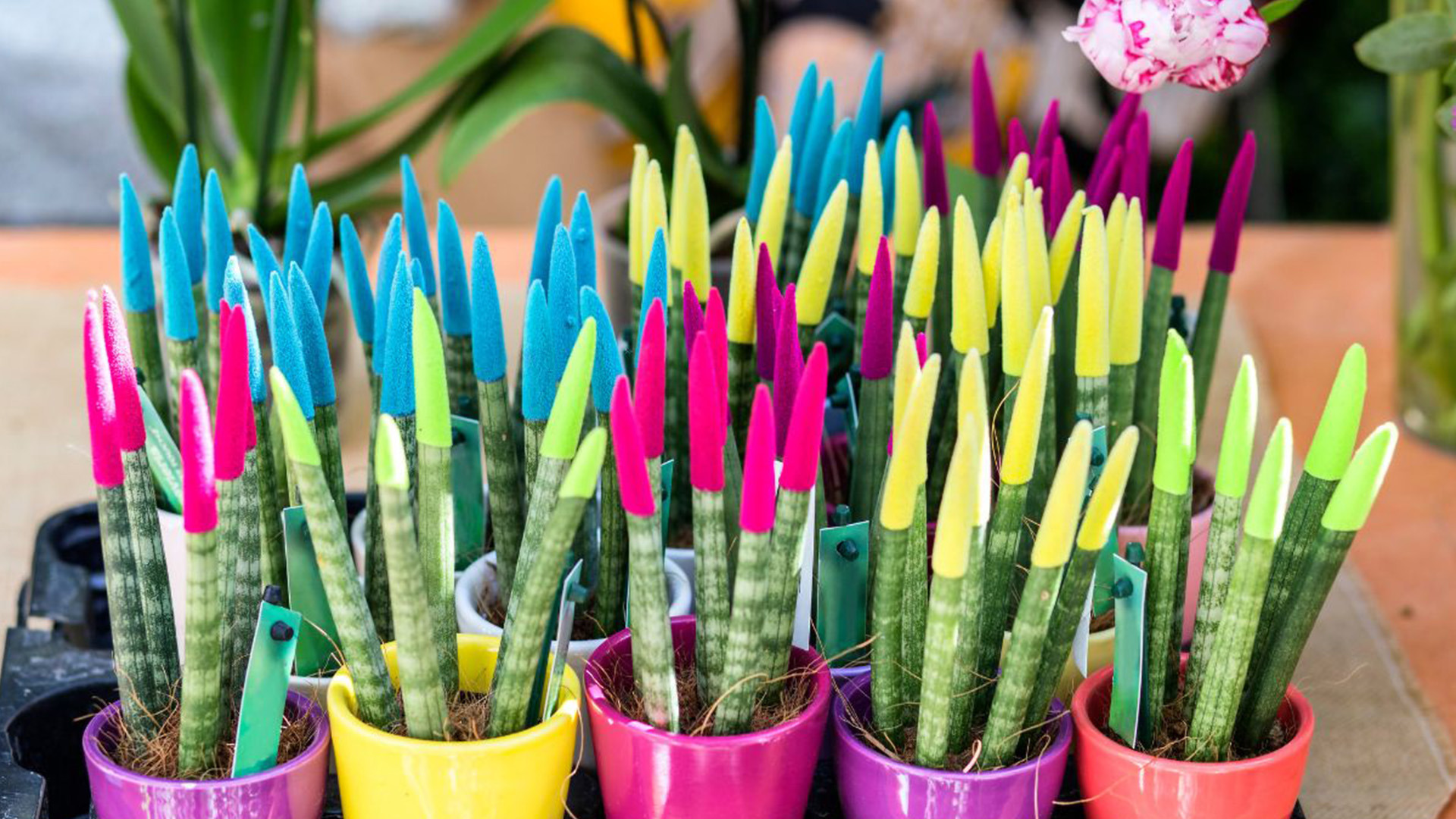
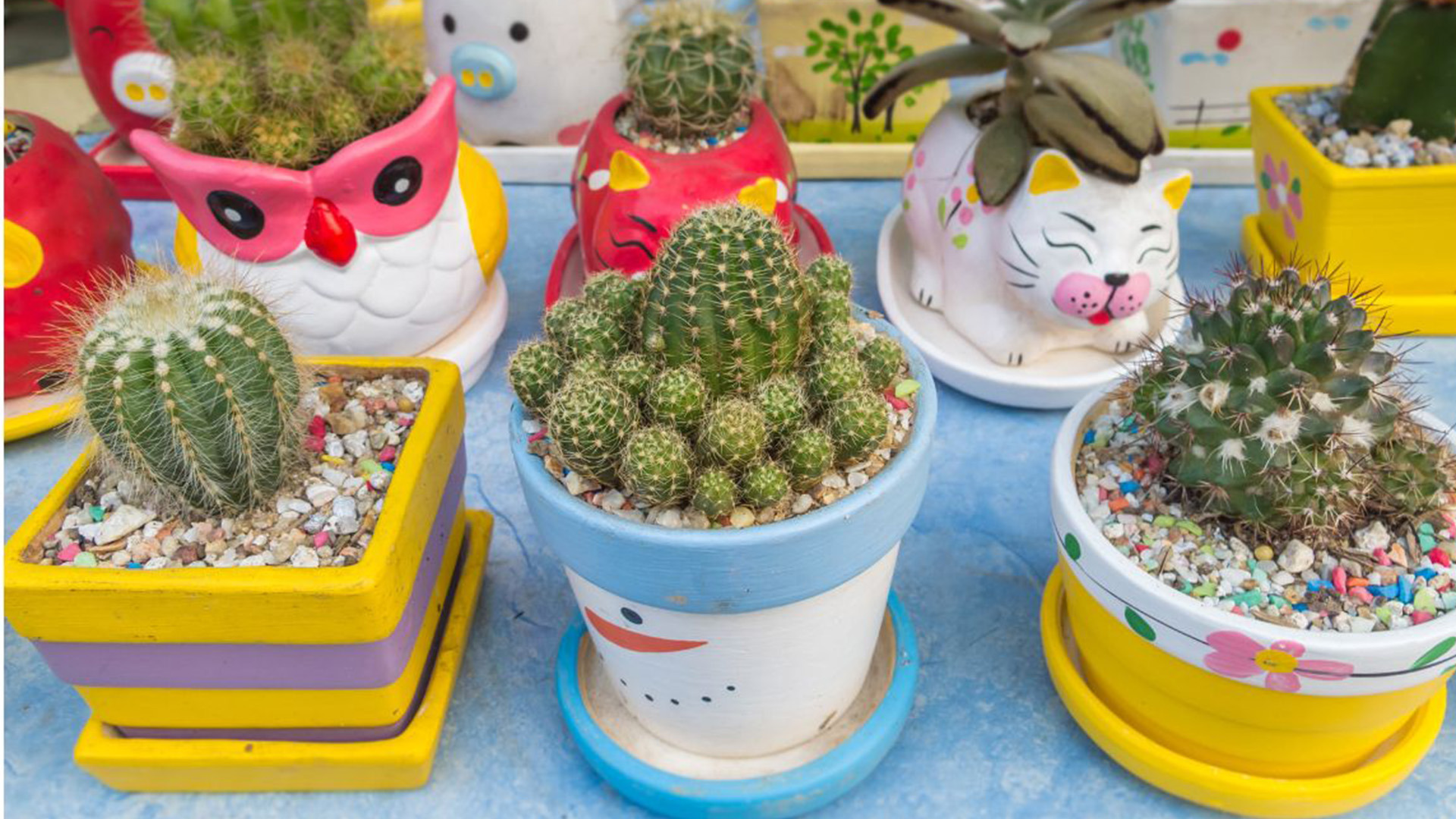
One idea could be to arrange a dozen plants of the same size, even of different species, in small jars of all different or the same styles and colors, preferably bright or pastel. You can place them on the kitchen table or on your coffee table: adapting them to a container or multidimensional solution could give a surprising effect!
furnish-with-suculents_IDW_Italia-Prague-Biella

furnish-with-suculents_IDW_Italia-Prague-Biella


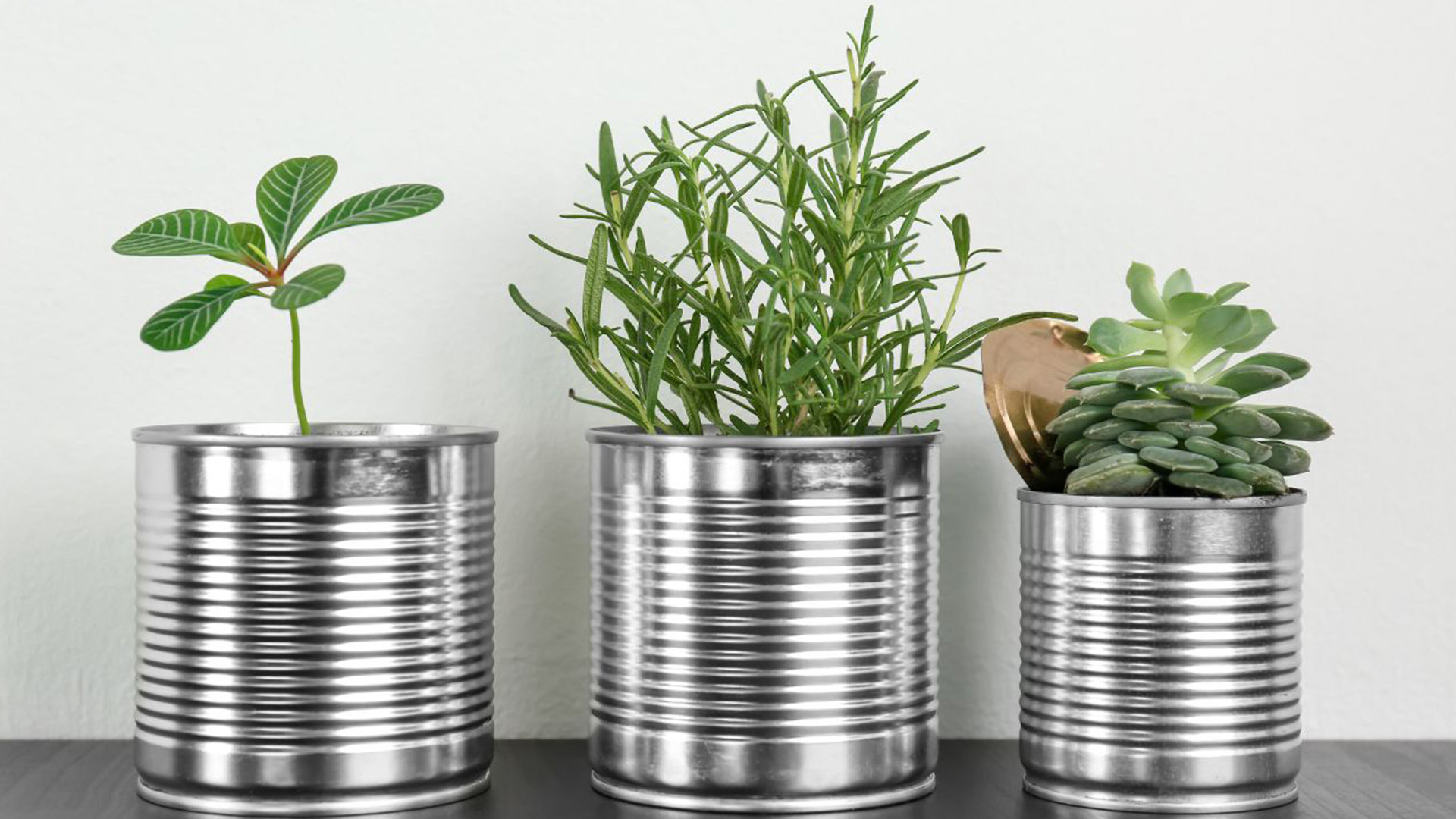
Another creative thought, which could prove to be perfect for the kitchen, could be to use old milk boxes, used cans, tea boxes, as original vases to give, for example, more tone to a vintage style. You can indulge yourself in thousands of ways to customize your jar-cans, simply with a touch of imagination and creativity. Furthermore, in addition to being at no cost, for nature lovers it would mean adopting a green solution again, since they take many years to deteriorate.

furnish-with-suculents_IDW_Italia-Prague-Biella


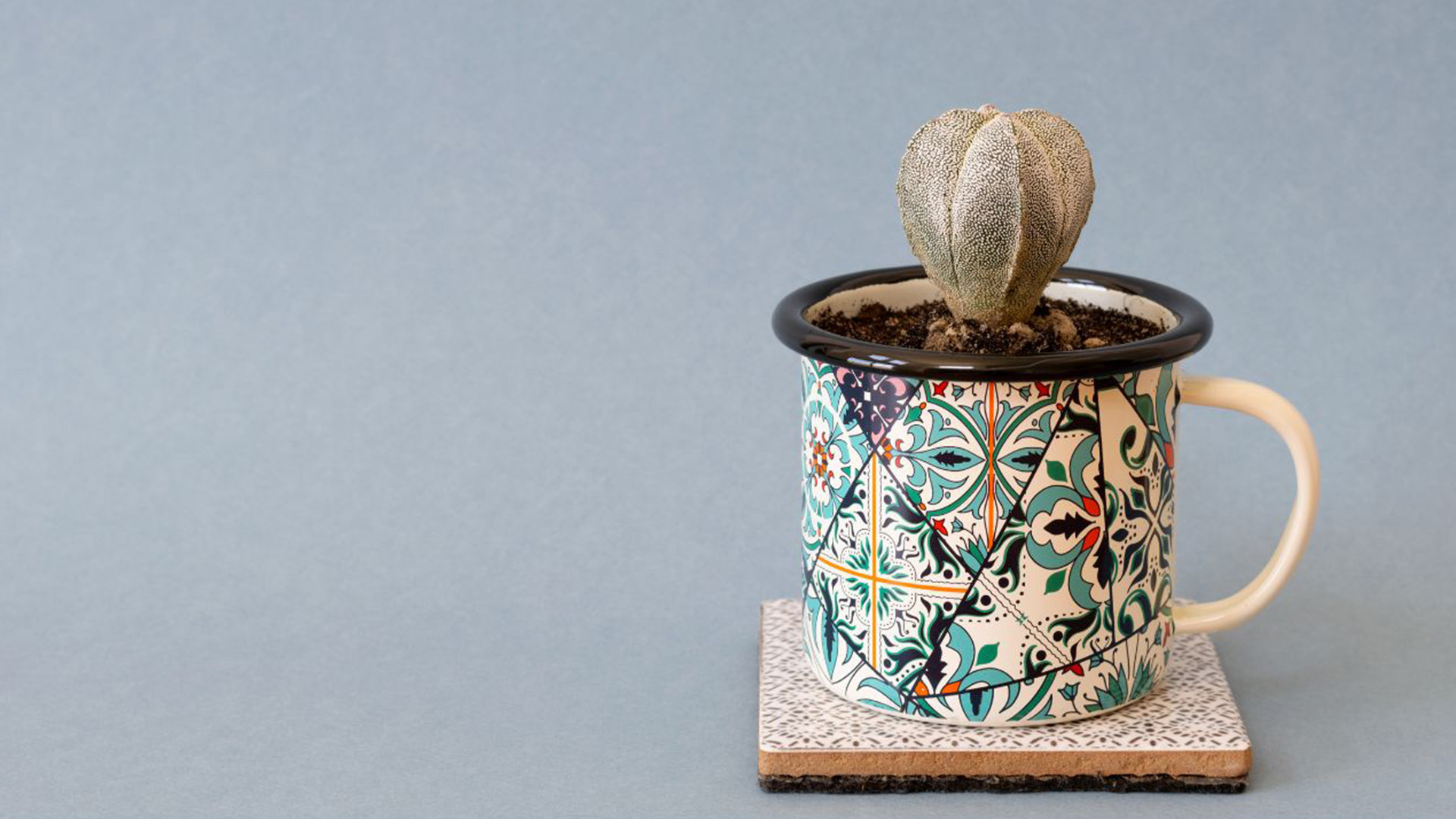
In the kitchen of each of us, there is certainly that unpaired accessory - a cup, a design glass, an ice cream cup - from some collections that have now been destroyed over time! Well, these often useless survivors can be recovered by turning them into very original small vases, which give a truly pleasant style full of personality to our environment.

furnish-with-suculents_IDW_Italia-Prague-Biella


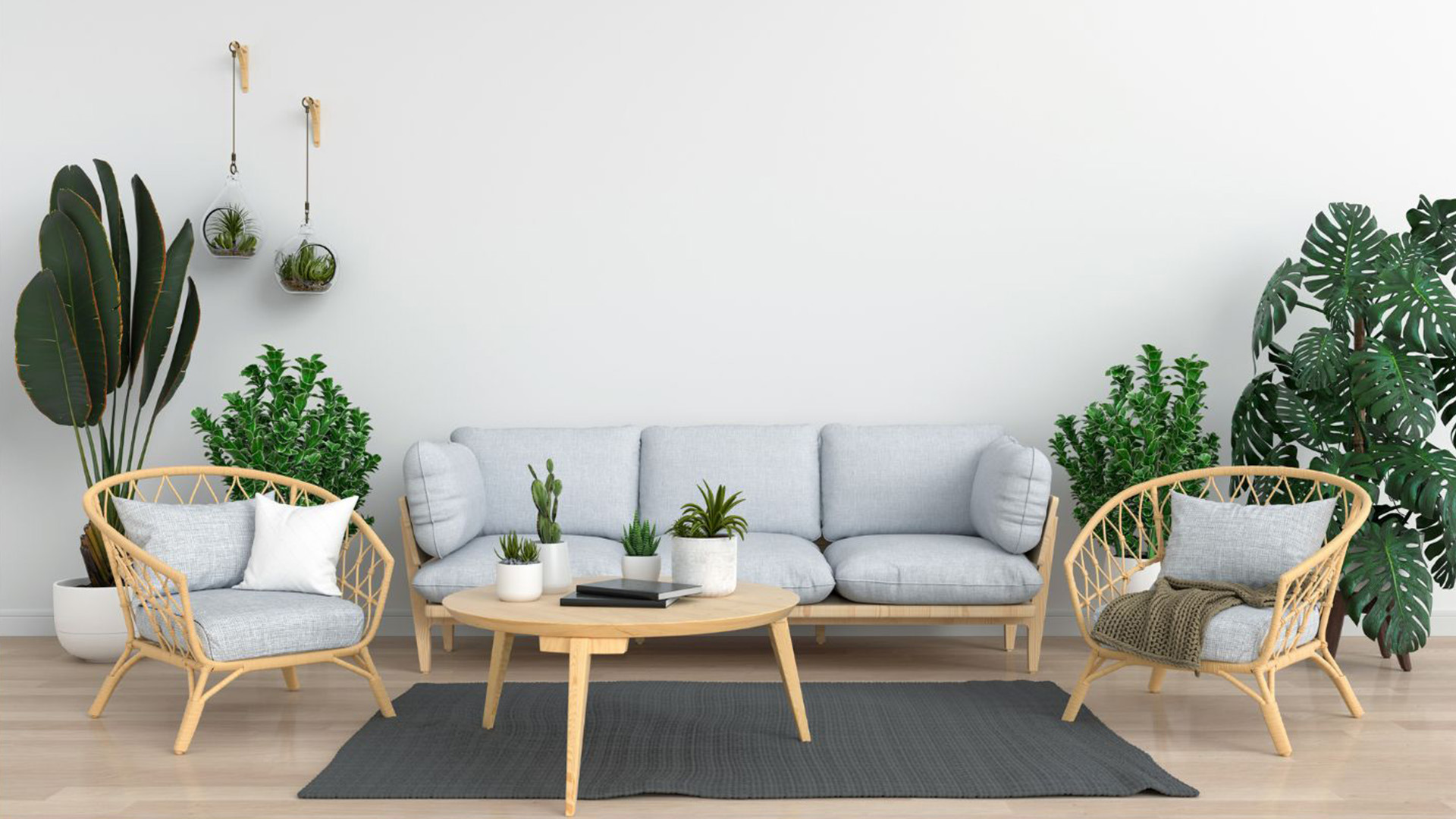
Let's move instead to the living room and bedroom, where, to furnish with taste and in a minimal style, you could think of arranging the plants in groups on tables and bedside tables or in corners on the ground, playing with shapes, sizes and heights of plants and vases, for example all in total white style, to create an elegant and very sober effect that will not disappoint you!

furnish-with-suculents_IDW_Italia-Prague-Biella


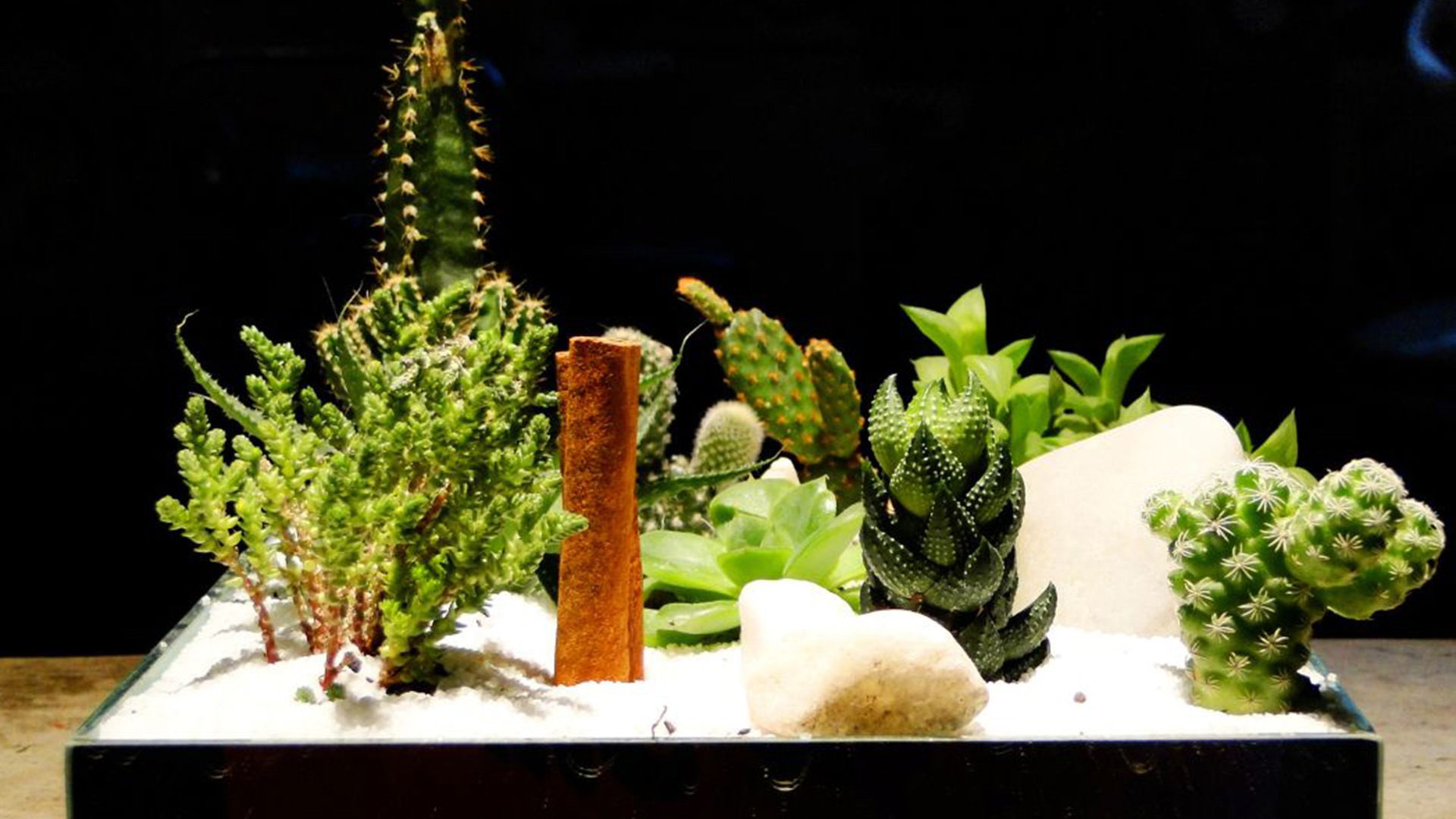
You don't have enough space to fit medium to large plants in your home and you don't know what solution to adopt? Have you ever thought of dedicating the space in front of your sofa, usually reserved for the coffee table, to a real terrarium? It will be enough to get a large tray or vase, colored sand, stones or particular stones and carefully choose the succulents that we want to exhibit in the center of our living room. Opting for a glass container could be a valid alternative, as it allows us to glimpse the colors of the layers of material, earth and sand that we used to compose in our terrarium.

furnish-with-suculents_IDW_Italia-Prague-Biella

Cristiano Castaldi IDW Italia
Cristiano Castaldi

Interior Designer since 1985

CEO & Founder, Italian Design in the World
Related Articles

  • The Anti-Algorithm Home: Spaces That Aren’t Instagrammable (But Truly Livable)
    2/13/2026 The Anti-Algorithm Home: Spaces That Aren’t Instagrammable (But Truly Livable)

    For years, we designed homes as if they had to pass a constant visual exam: perfect light, perfect white, the right chair, the right vase. Interiors built to be photographed more than lived in.
Digital aesthetics — polished, minimal, hyper-ordered — entered interior design like an unspoken rule: if it isn’t “clean,” it isn’t beautiful; if it isn’t coherent, it isn’t successful; if it can’t be shown, it isn’t desirable.In 2026, this narrative is losing its power. Not because beauty matters less, but because beauty alone is no longer enough.
A new need is emerging: anti-algorithm interiors, spaces not designed for the shot, but for everyday life. Less performative homes, more real ones. Environments that don’t seek approval — they restore energy.This is not a return to chaos. It’s a return to meaning.

  • The End of the Open Space: The Return of Thresholds
    1/30/2026 The End of the Open Space: The Return of Thresholds

    For years, open-plan living symbolized contemporary domestic design: fluid, bright, without barriers.
A response to the desire for freedom, openness, and visual continuity.Today, that promise is being reconsidered.
In 2026, many projects mark a shift — not a rejection of open space, but its critical evolution. The return of thresholds.

  • Interiors That Age Well: Designing Spaces Beyond Trends
    1/23/2026 Interiors That Age Well: Designing Spaces Beyond Trends

    One of the most underestimated challenges in contemporary design is time.
Not the time required to design a space, but the time the space must endure: years of daily life, change, wear, and transformation.

  • Living as a Cultural Act: When the Home Becomes a Position
    1/09/2026 Living as a Cultural Act: When the Home Becomes a Position

    In recent years, the home has stopped being a simple functional container.
It has become an extension of how we think, how we experience time, and how we relate to the world. Living today is a cultural act — a conscious choice that reflects values, priorities, and pace of life. It’s no longer just about aesthetics. It’s about position.

  • The Aesthetics of Ritual: How Design Shapes Everyday Habits
    1/02/2026 The Aesthetics of Ritual: How Design Shapes Everyday Habits

    Homes have become more than places — they have become temporal landscapes.
Design is shifting from objects to gestures, from furniture to the choreography of daily life.

  • The Material of the Future: Ultra-Thin Surfaces and Advanced Finishes
    12/19/2025 The Material of the Future: Ultra-Thin Surfaces and Advanced Finishes

    Material innovation is reshaping interiors more deeply than any aesthetic trend.
The new frontier is not in bold colors or complex textures — it lies in technical surfaces that are thin yet strong, discreet yet expressive, silent yet high-performing.