8/02/2024
What are Modular and Transformable Furniture?
Modular furniture consists of independent units that can be combined and reconfigured in various ways to suit different functions and spaces. Transformable furniture, on the other hand, is designed to change shape and function according to needs, such as sofas that become beds or tables that expand.
Benefits of Modular and Transformable Furniture
Flexibility and Adaptability: These pieces allow for easy reconfiguration of spaces for different activities. For example, a living room can become an office or a dining room simply by moving some elements.
Space Optimization: In small homes, like studios or city apartments, the use of transformable furniture can maximize the available space.
Multiple Functions: Modular and transformable furniture often offer multiple functions in a single piece, reducing the need to buy more furniture, thus saving space and money.
Customization: These pieces allow for a high degree of customization, enabling the adaptation of space to specific needs and aesthetic tastes.
Sustainability: Purchasing versatile and long-lasting furniture can reduce the need for continuous updates, thus contributing to a more sustainable lifestyle.
Examples of Modular and Transformable Furniture
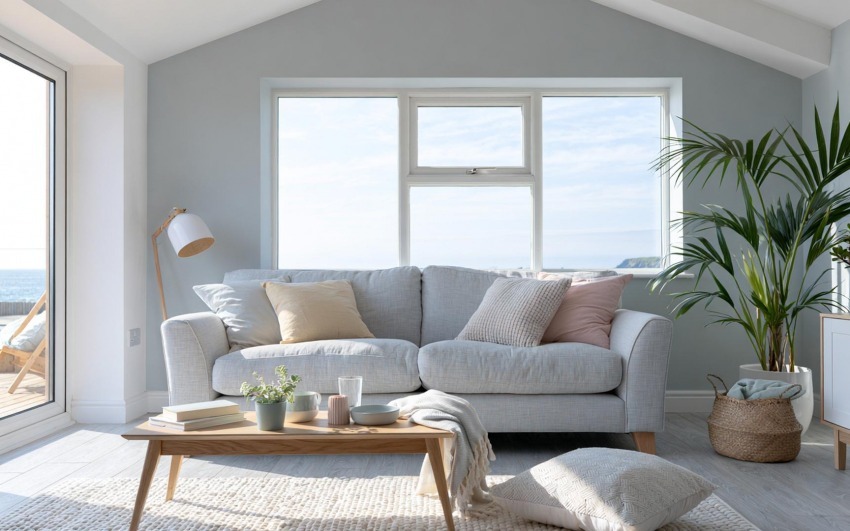
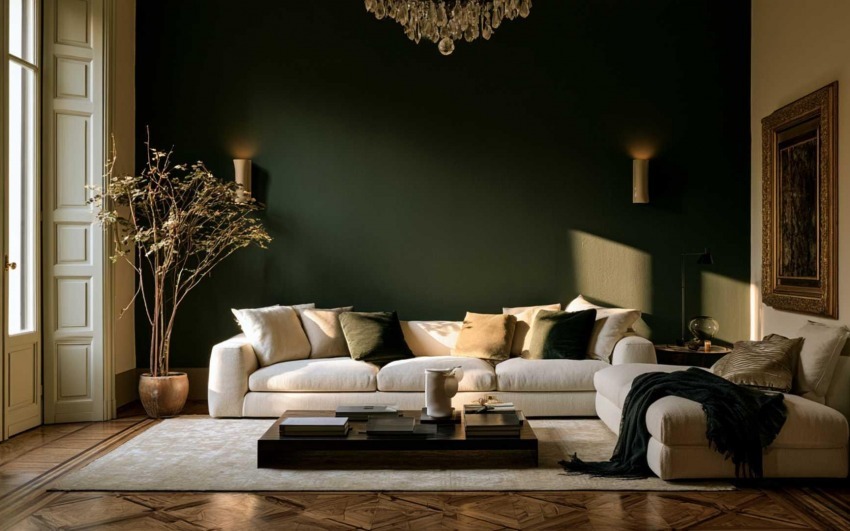
Modular Sofas: They can be reconfigured into different shapes and sizes, depending on needs, offering options like chaise lounges, beds, or single seats.
Murphy Beds: These beds can be folded into a cabinet to free up space during the day, transforming the bedroom into a living room or office.
Extendable Tables: Tables that can be reduced or expanded based on the number of people, ideal for hosting dinners.
Modular Bookcases: They can be reconfigured to suit different storage needs and spaces.
Furnishing with modular and transformable furniture is an innovative response to the needs of modern living, offering flexible, functional, and sustainable solutions for spaces that must quickly adapt to different uses. This trend not only enhances the functionality of environments but also contributes to a more dynamic and conscious way of living.
_14077b47db_23.jpg)
Interior Designer since 1985
CEO & Founder, Italian Design in the World